
*Marie is a student nearing middle school who had not attended school before. She is illiterate, hungry to learn and wants to be reading chapter books by middle school.
*This child’s name has been changed for confidentiality purposes.
10/26/2011
Marie is interacting with literacy well. I've been doing a lot of writing for her to start. (I'm still doing this along with the sounds.) I'm putting her beautiful ideas and interests onto the page so she can see how writing is one's ideas. The last time I was there we began talking about bullying. Today, she was bursting with poems, one about Justin Beiber, and one about bullying. We had a brief conversation about it last week and I said how bullies who act mean are probably bullied somewhere else. This really struck home for her. She told me today that she was thinking after I left that we should have been writing down what we were talking about. Right now, we have three things going one when I'm there for 1 1/2 twice a week. We are working on Souns. We are writing simple phonetic poems for her 2nd grade buddy and I am writing her ideas and reading them back to her. She likes hearing them and often comments how good her ideas are. :) I am doing Souns with her, just like I am with my children but she is jumping right into writing with the symbols. It's pretty wild working with a child who is so verbal and mature, yet illiterate. She's thinking in an abstract realm but needs the most concrete practice. I'm feeling my way along as working with a student who has never been to school is new to me.
11/01/11
Today, Marie had left the poetry books that we usually worked with at home. So, we spent the entire day on Souns. Marie went through the entire alphabet, in Souns order, and told me each sound. She still needs to work on the /z/ and needs more vowel practice, but she is doing a spectacular job. Since she does know most of her sounds, we practiced writing with them today.
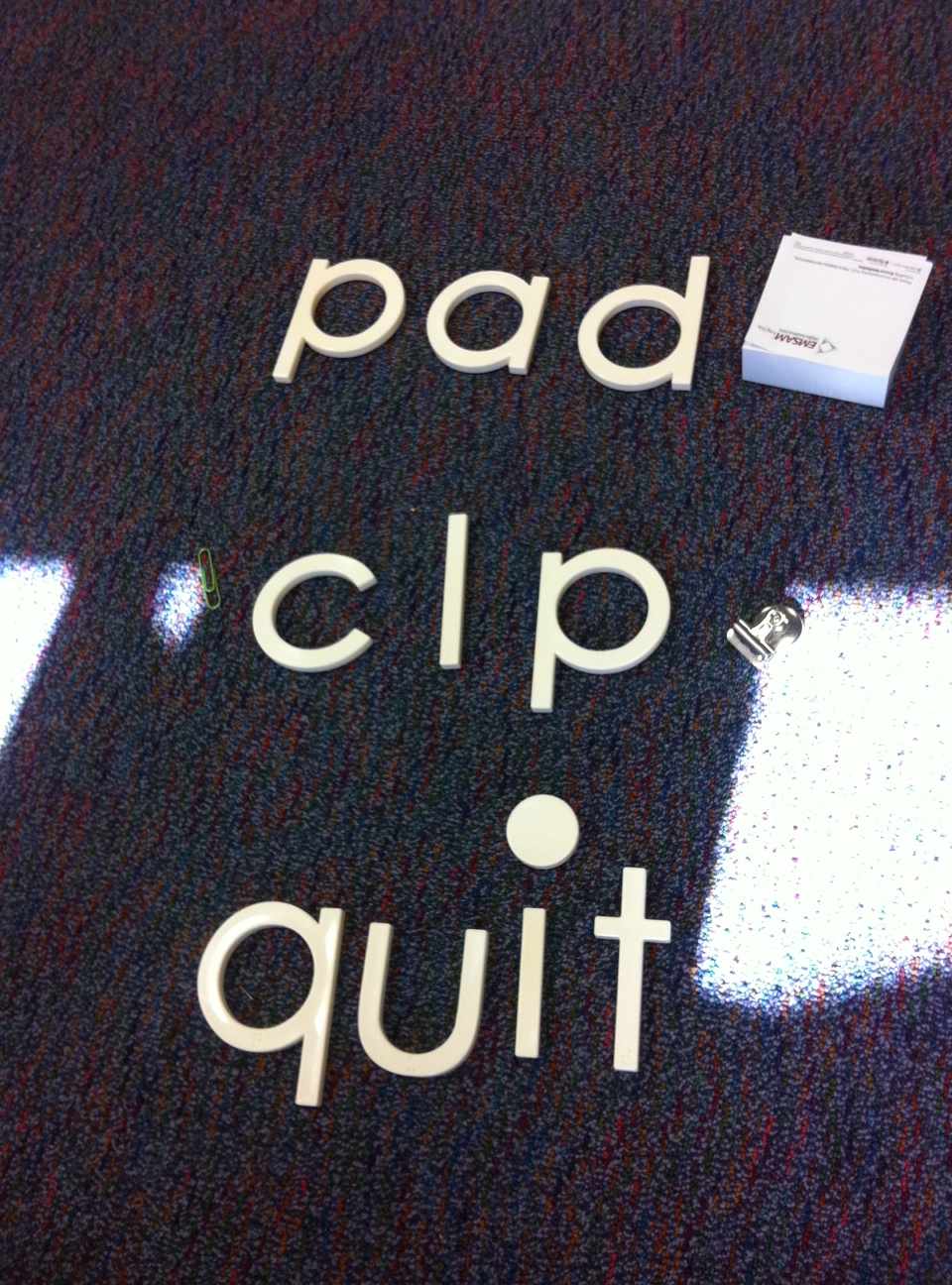
I searched for a few items to write with sounds. She started with quit on her own. Then,
she wrote pad and clip from items I collected.

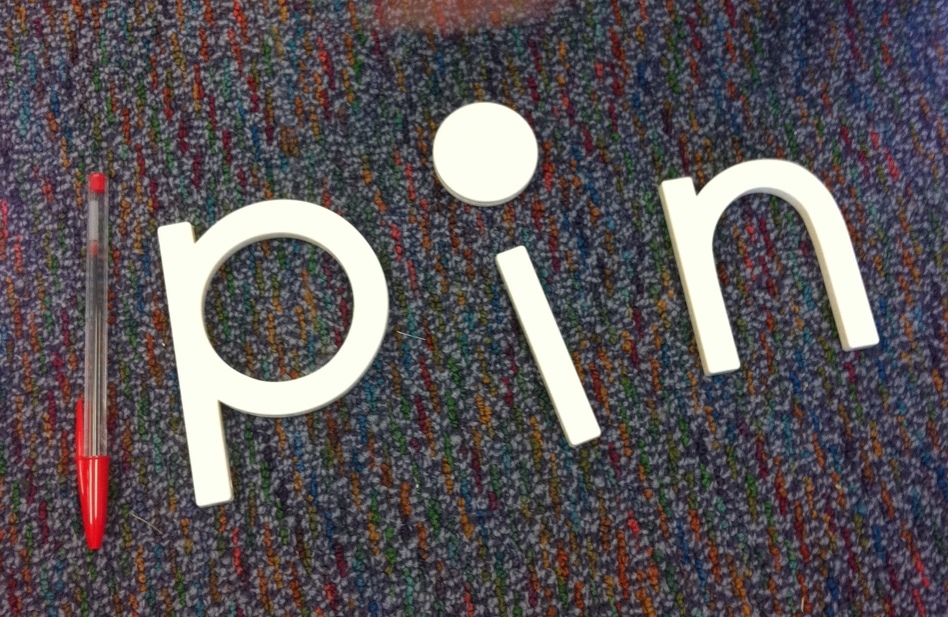
She noticed that pen and pin sounded the same. She couldn’t decide which one so she wrote both.
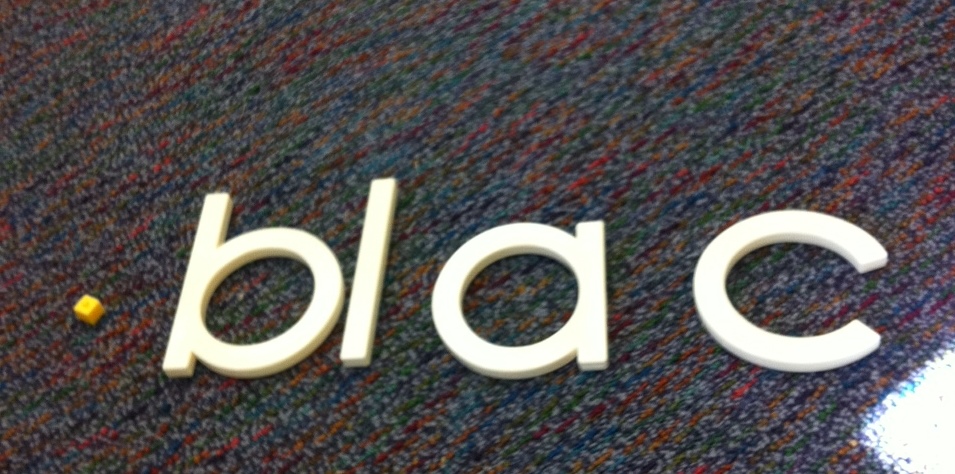
And she wrote block as blac. I did not correct her even though she keeps asking if she is right. We’ve discussed what matters for right now is that she can communicate in writing so her teacher can figure out what she is thinking and she is well on her way.
She asked me a question today. Will I be able to read a book like this in middle school? (It was a chapter book like she sees her peers reading.) I told her yes.
So, after she wrote her words, I pulled out a few of the simple phonetic books that go with a kindergarten program her teacher has out for reference. I grabbed a book called I am a bug. She read the title perfectly with no help from me and without me asking her to do so. I asked her how she read it. She said she remembered I am from the poem we wrote. And a bug she knew from the sounds. She went on to read it with just a few stumbles.
Then, we did some choral reading, where I model the phonetic reading first and then we read phonetically exaggerated together with two other books.
She is so hungry to learn and wants to be able to do what her peers are doing. She is an inspiration.
She is so hungry to learn and wants to be able to do what her peers are doing. She is an inspiration.
11/04/2011
Our time was limited today. We did get to do quite a bit, though. First, I pulled out several small toys to represent objects. This could be realia for second language purposes, but I chose the toys as simple phonetic words that I thought Marie would be successful with. With the Souns program, writing with symbols is also encouraged to be done along side the noun. 

Marie is so concerned with being right. She keeps looking for me to answer her. I’m trying to
answer her only by repeating the sounds in an exaggerated way.
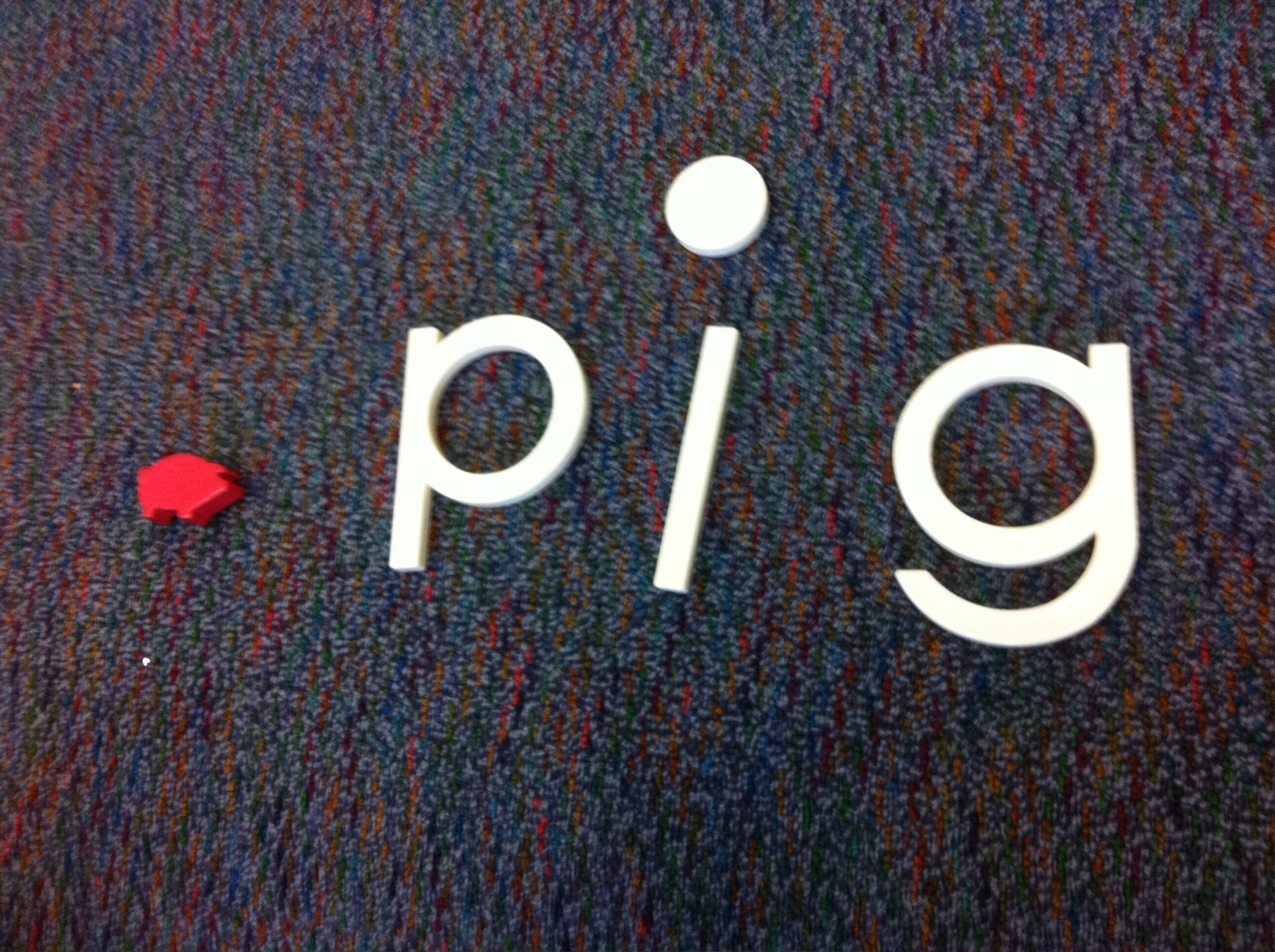
She heard the i sound after I repeated the sounds.
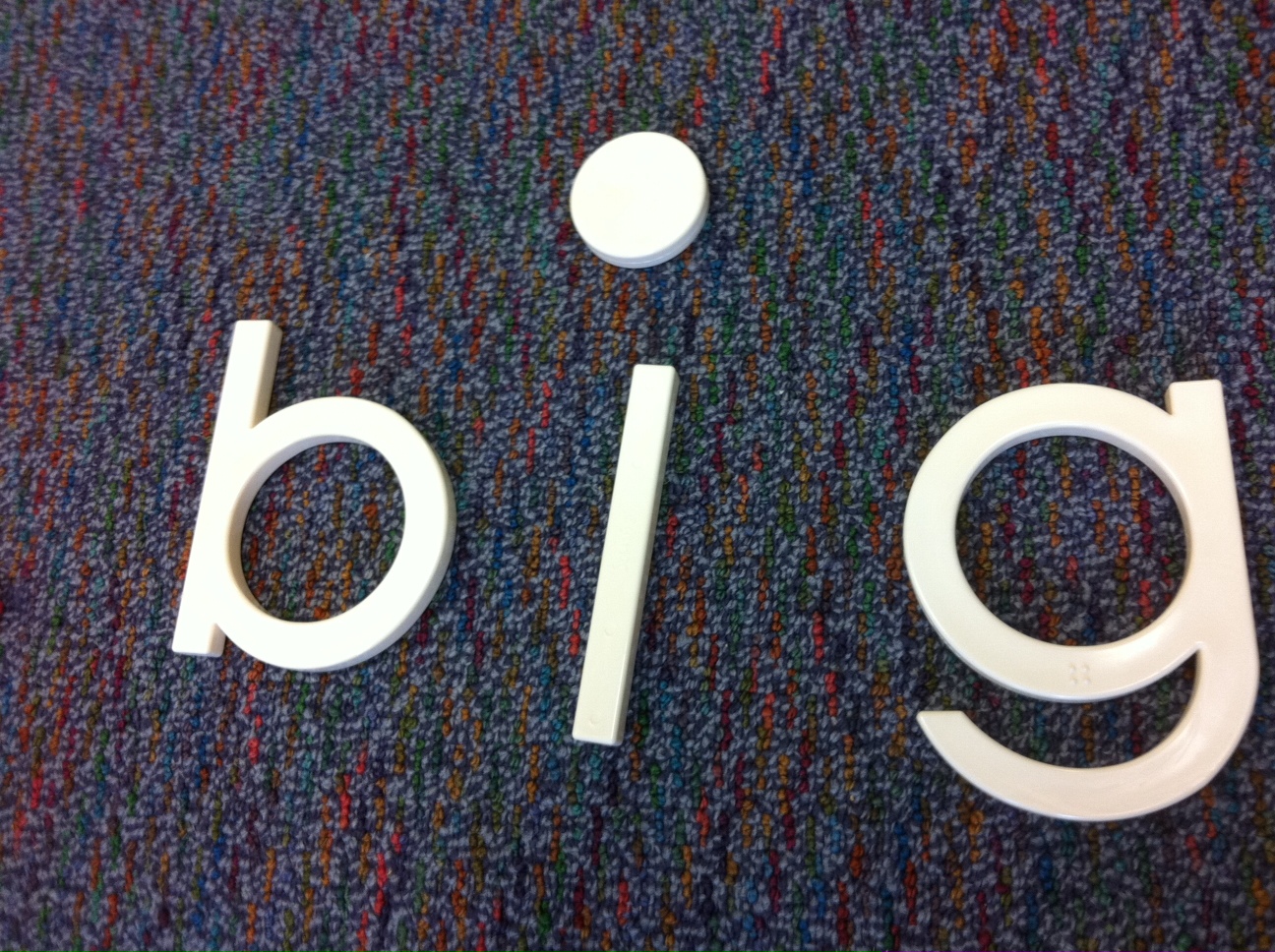
Then, she flipped the p and said, big!

I would not answer her on this one if it was correct. We went on to the next word, cat.

After she wrote cat, I then put dog, (dag) next to it. I said the two words in a very exaggerated phonetic way. She quickly swapped the a for an o in dog.
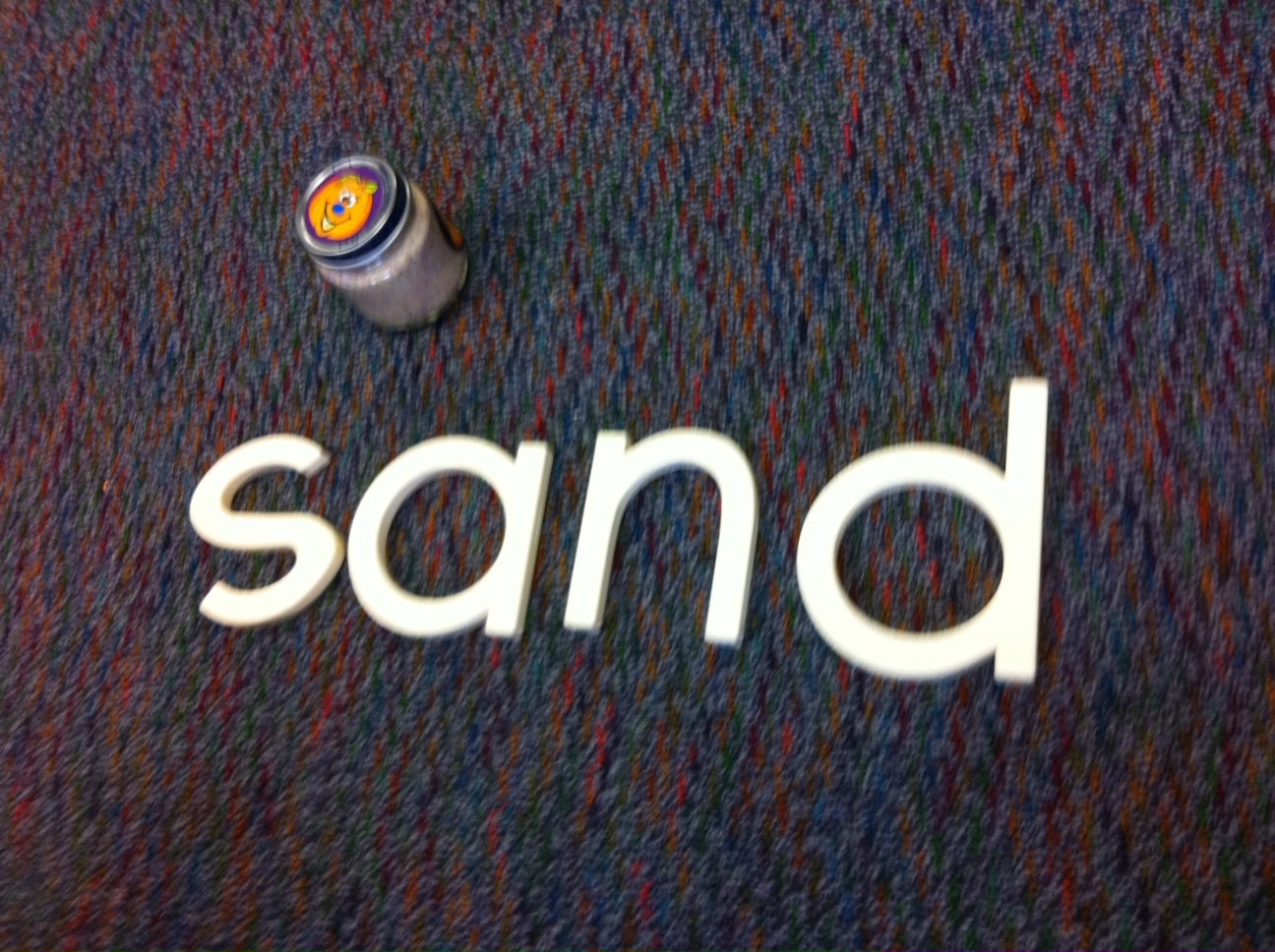
After we wrote with Souns symbols, Marie was eager to write some poems.
She wrote a poem for about her teacher. When she wants to write out her more complex thoughts, I am writing them for her to the paper. Then, I type them and we put them into her Poetry book.
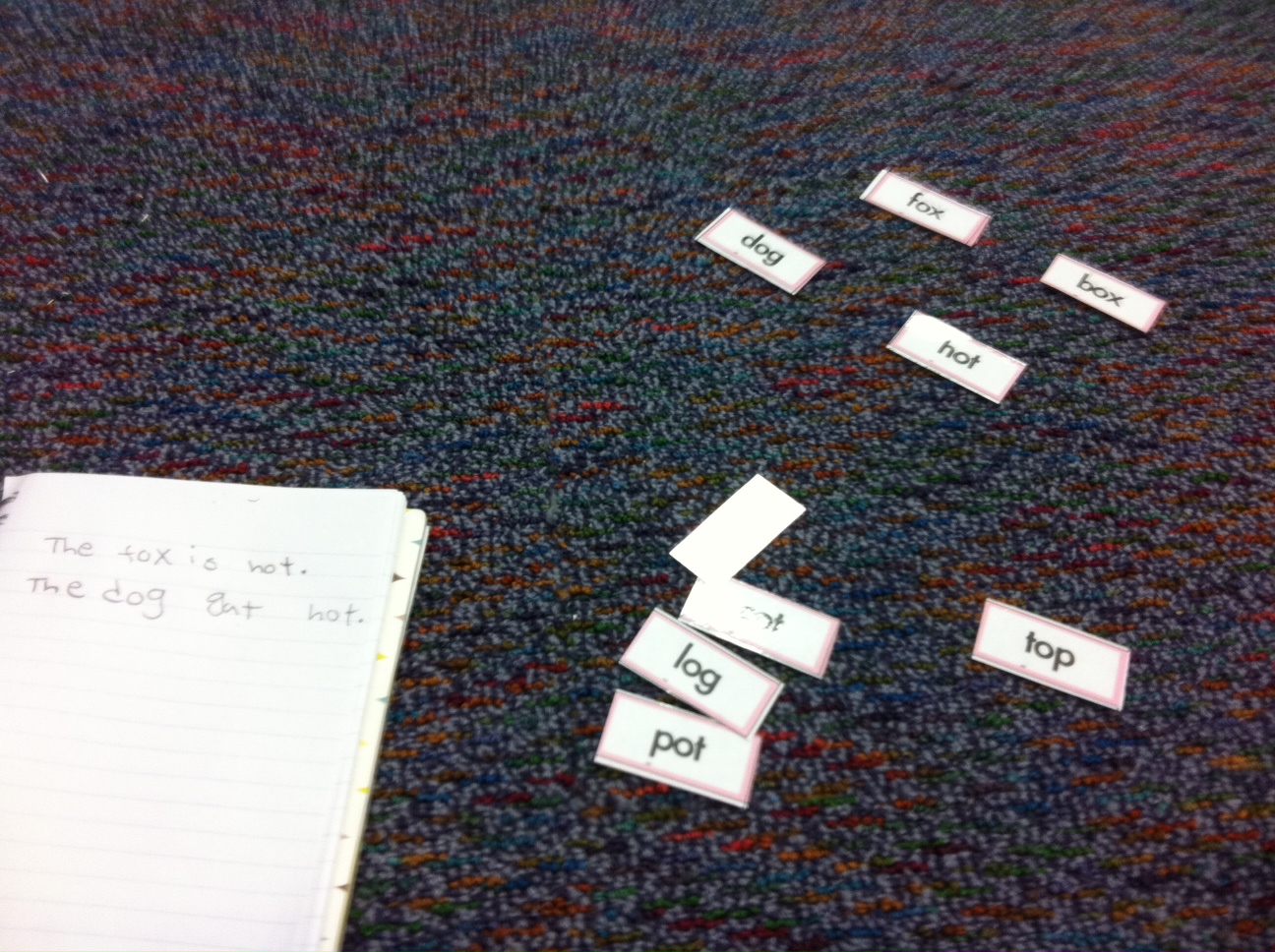
Then, we wrote a Silly Souns Poem together using some simple phonetic words. I first asked her to read all of the o words. She did so with ease. She was not sure what a cot was, so I showed her the picture that went with it. Then, we use these simple, phonetic words to build easy to read poems for her reading buddy. This way, she has a good tool to use with her 2nd grade reading buddy that she can play teacher with since she wants to be a teacher. She does the scribing of these poems.
11/8/2011
She is demonstrating mastery of nearly all of the sounds, with the exception of the vowels and a few others I have noted on the Souns progress chart. Next time, I will be explicitly teaching vowel sounds. We will then be moving into digraphs with th first.
We began by reading a poem that focused on the short a sound. We ran out of time to write a Silly Sound poem using the short a sound, but we’ll do that next time.
She was eager to share with me some of the early readers she has been practicing with. She easily read them, but did stumble a few times. Every time the digraph th came up, she wasn’t sure about it, so we will work on that sound along with the vowel sounds to help her reading along.
I also shared with her the poems that she wrote which I scribed and typed up for her. She is so pleased with them. We then practiced choral reading the poem.
11/10/2011
We got to work going over just the specific vowels and their sounds. She read for me several simple readers, demonstrating her continually developing decoding skills. Sometimes she forgets and guesses, usually from the first letter, but she is decoding nicely and fluency is definitely improving. I told her how amazed I am at how quickly she is reading. She asked if most kids don’t learn this fast, and I told her, no, they don’t. She’s doing amazingly well. This made her gush with pride.
So then I read a few poems out of a poetry book about peace I had checked out from the library. Then, we wrote. She started by describing yesterday, that she said was a really bad day in class. Many kids were fighting. Then, we talked about how it could be turned around. She was thrilled with the finished product and was eager to share it.
.
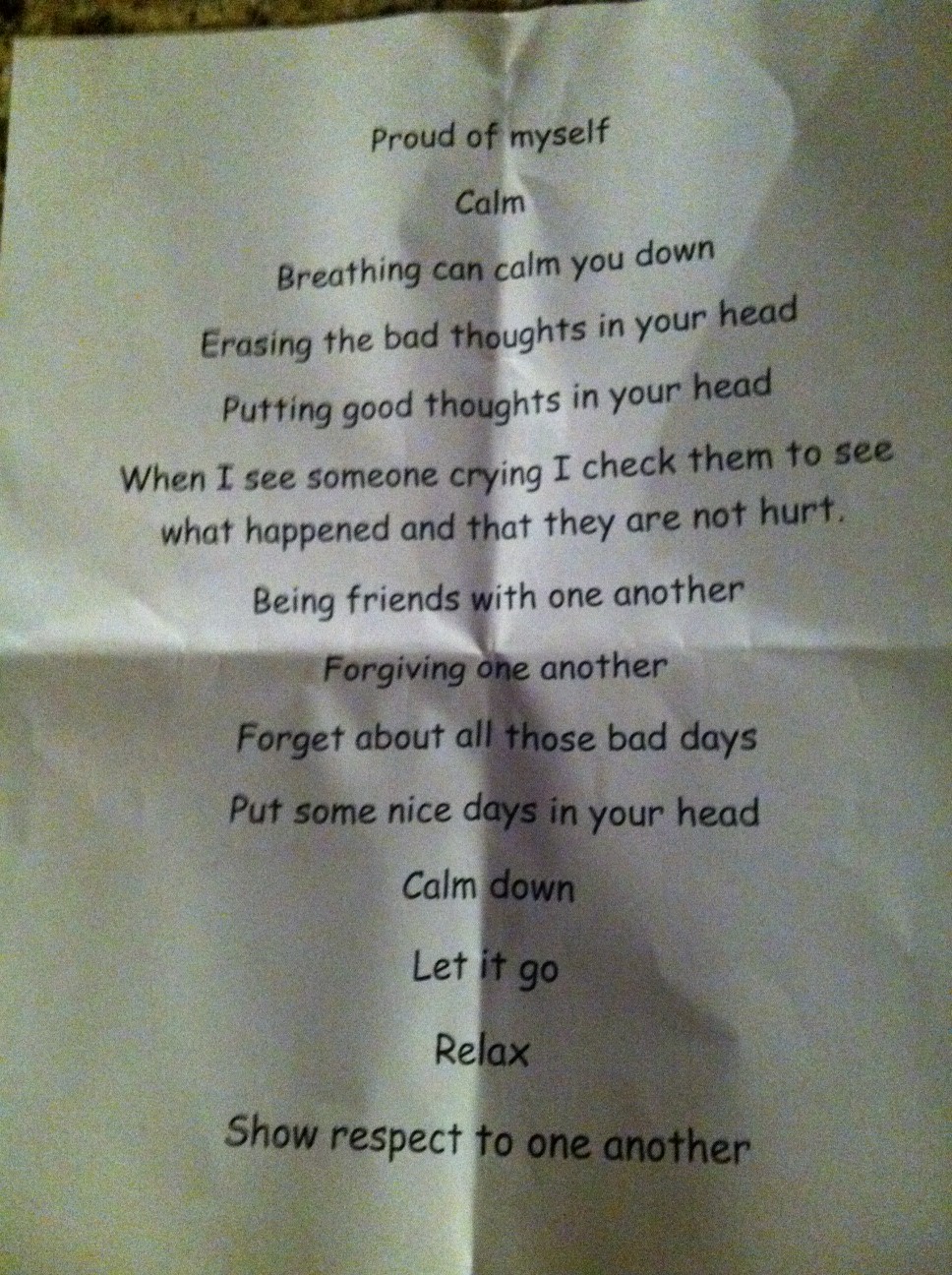
The last line got cut off, “Peace is your choice.”
We finished off the day writing a Silly Poem with the short a sound for her reading buddy.
11/16/2011
Marie greeted me with a few poems she had written on her own. One appeared, to be partially copied from a book, but the other was her own. The one that was her own was delightful, about how she saw herself. She read it to me and I could *almost* read it myself. Most of the words were legible.
I brought Marie a mini Dictionary. It’s just a paper one stapled together with some very frequently spelled words with lots of blank spaces for adding words you don’t know under each letter. I showed Marie’s teacher how I would just write down the spelling of the word instead of spelling it out loud. She is always asking, so I gave them this tool. I used to use it in my own classroom. Spelling a word out loud for a kid does nothing to help spelling stick in their brain. When you write it own, and they look and copy it from your writing, that sticks.
We then worked on vowel sounds. Marie matched nearly every picture without assistance pairing the three letter words with their pictures. We then practiced reading them. The ones she did need help with tended to be words she was not familiar with vocabulary-wise, like cot and yak. (She is a second language learner.) So the picture matching, again, serves a good purpose for meeting her needs as a second language learner.


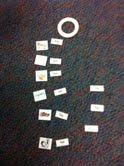


I grabbed the Itty Bitty Phonics Reader o which she read flawlessly. We also did some choral reading of some other phonetic poetry and rhymes.
Finally, we wrote our own poem. She wanted t write about wishes. She is hungry to learn!
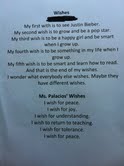
11/29/2011
According to a school assessment, Marie made a year's growth in two months. Go Marie.
1/6/2012
Wow! It’s been a while since I’ve journaled about Marie. . I found some Sponge Bob phonics readers and figured they were high interest so I bought them to use for practice with her. I was right. She loves them. I also like the pictures are not intertwined with the words. Words are on an entirely separate page so I can fold it over so the pictures aren’t used for clues. (This by the way is a reading strategy children are taught- to use picture cues.) She read the short a book very, very well. On Thursday, we read the short o book which she struggled with a bit more. I got out the “elastic stretcher that I bought to build 3 and 4 letter words she was stumbling on. We stretched it out and put it together. (I learned this from Brenda as she would stretch out words in the air. I like the actual visual stretch that a struggling reader with meta-cognitive awareness does.) This really helped her understand the concept better
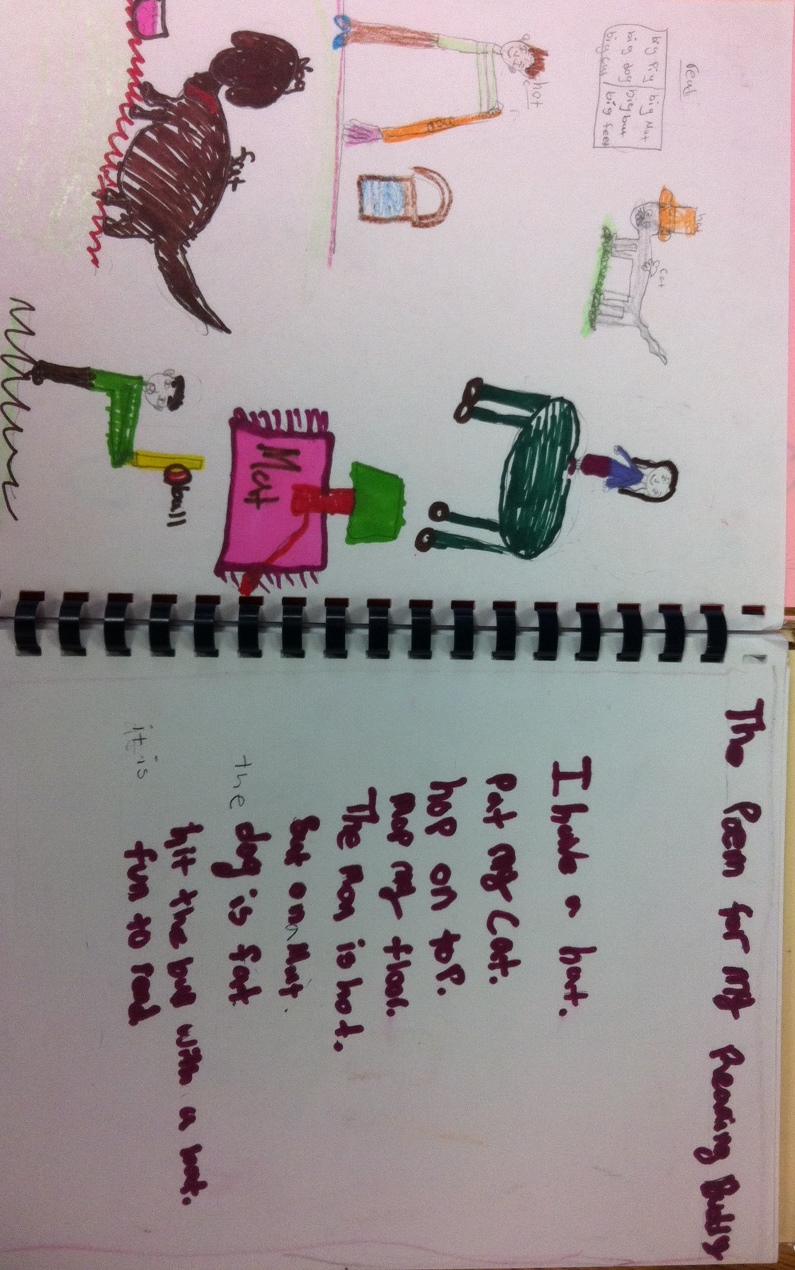
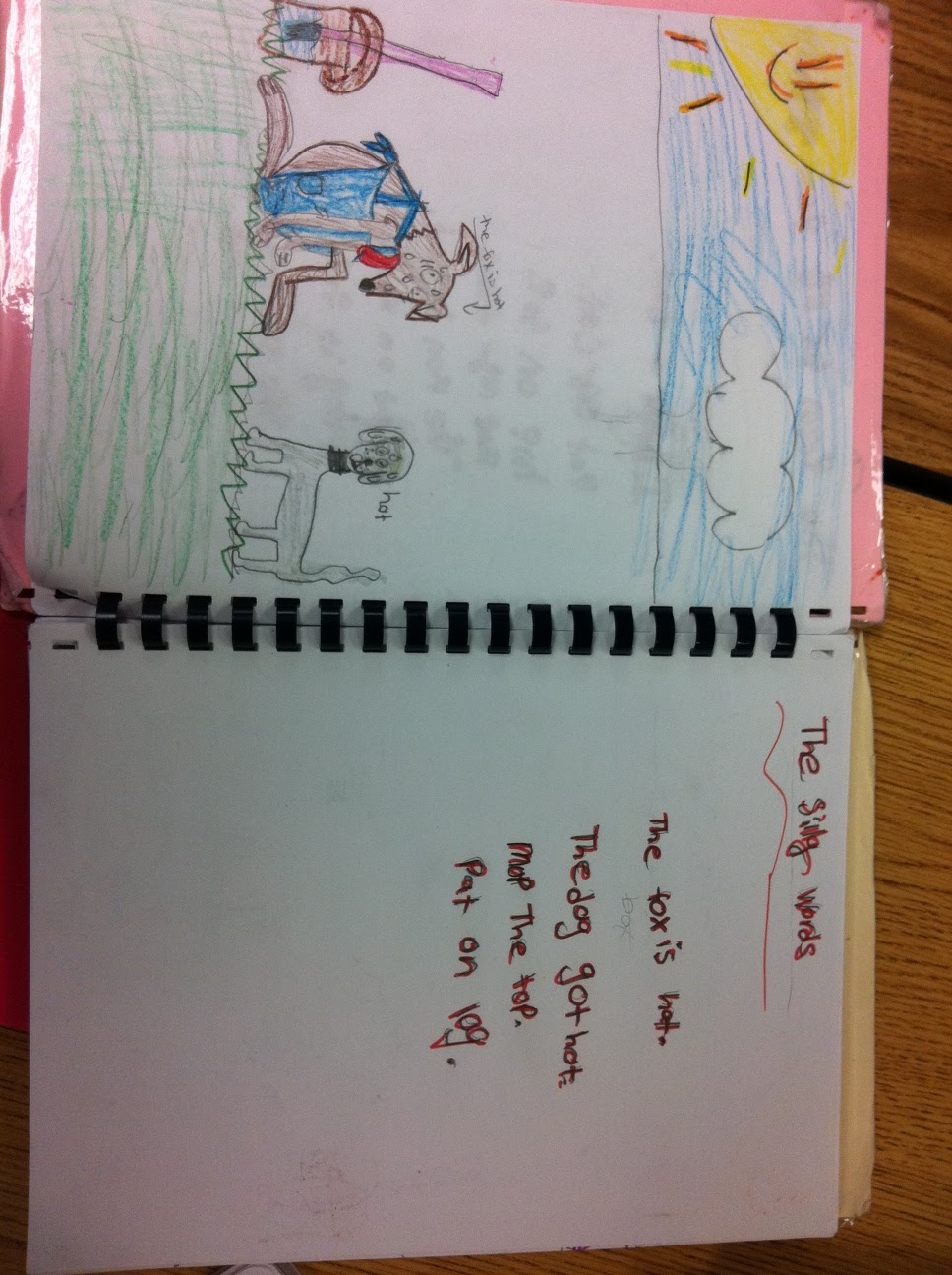
This journal will close with some poetry Marie and I wrote together for her to practice and teach younger children...
Sounds
I hear sounds in books.
Sounds become a word.
The sounds help you learn how to read a word.
The word tub is an easy word to start reading. It only has three letters and the letters only make the sound
/t/ /u/ /b/ says tub
/m/ /u/ /d/ says mud
/r/ /u/ /g/ says rug
Say each sound. You put it together
You make a word.
Sometimes you put two letters together and they make a new sound like
/sh/ /o/ /p/ says shop
/th/ /a/ /t/ says that
/ch/ /u/ /g/ says chug
/b/ /ee/ /p/ says beep
/b/ /ee/ says bee


Marie has every ability to make it. I pray she overcomes the number in a system too easily lost...
